










Temu Boom in Maldives: Soaring Orders Disrupt Local Shopfronts in Malé
Malé, Maldives — A dramatic surge in online shopping from Temu, the international e-commerce giant, is reshaping consumer habits in the Maldives — particularly in the capital, Malé — where local shop owners say their sales have been significantly impacted by the platform’s rapid rise.
Since its growing popularity in early 2024, Temu has become a go-to platform for thousands of Maldivian households seeking affordable goods such as electronics, homeware, fashion, and beauty products. With free shipping and deep discounts, Temu’s model appeals to price-sensitive consumers across the country.
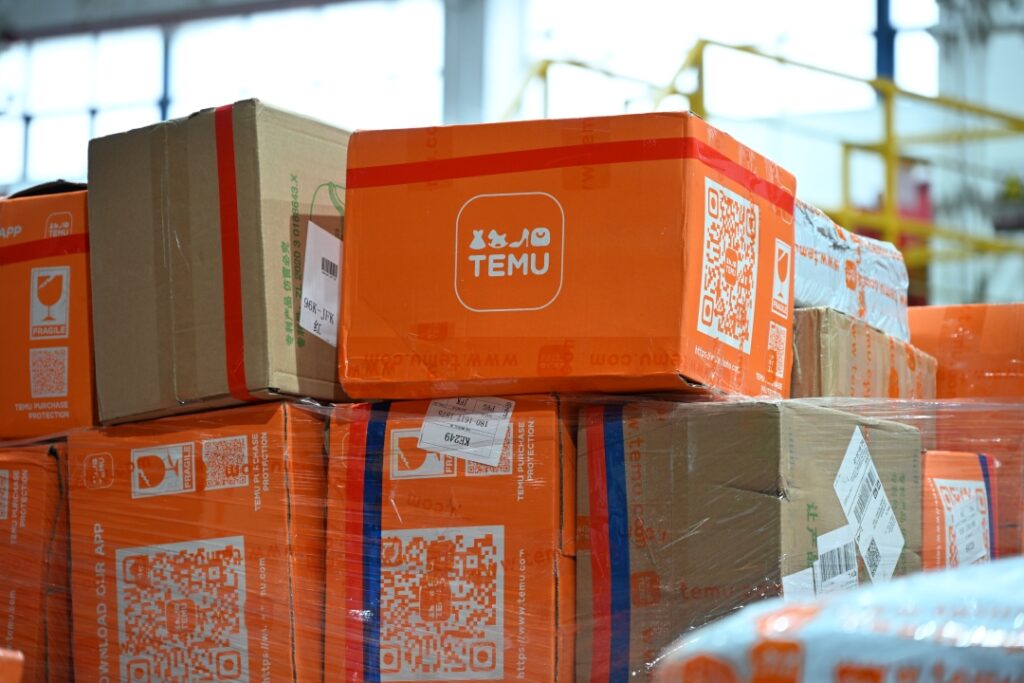
Though official sales data is unavailable, logistics companies and shipping agents report that weekly Temu orders now reach tens of thousands. The resulting volume has overwhelmed some delivery providers, leading to delays, warehouse congestion, and rising demand for last-mile delivery services.
“Every day we receive hundreds of parcels labeled from Temu,” said a staff member from a local courier service in Malé. “The spike has been unlike anything we’ve seen before.”
While consumers celebrate the convenience and affordability, local retailers are sounding the alarm. Small and mid-sized shop owners in Malé and other islands say foot traffic has dropped, and customers now compare local prices directly with online listings — often finding Temu cheaper, even after delivery wait times.
“This is not just competition — this is disruption,” said a local shopkeeper in Majeedhee Magu. “We import the same goods, but Temu offers them at prices we can’t match. It’s hurting our sales.”
Meanwhile, consumer protection authorities and police have warned the public about Temu-related scams, including phishing links disguised as shipping updates or customs requests. Authorities urge customers to be vigilant and only use official tracking platforms or apps.
Economists say the Temu boom reflects a larger shift in Maldivian consumer behavior — toward online, global platforms that bypass traditional retail channels. While this offers more choice for consumers, it also raises concerns about import regulation, small business survival, and the need for local retailers to digitize.
As the Maldives continues its digital transition, experts suggest that local businesses may need to rethink their strategy — possibly focusing on personalized service, after-sales support, and quality assurance to stay relevant in a rapidly evolving market.
For now, Temu continues its upward climb in the Maldives — and with each order, the pressure on traditional shopfronts grows.