







Rethinking Islamic Education: Calls Grow to Include Practical Religious Skills in School Syllabus
Critics argue that basic Islamic duties like leading prayer, performing funeral rites, and making azan should be taught in schools—not left for certification courses
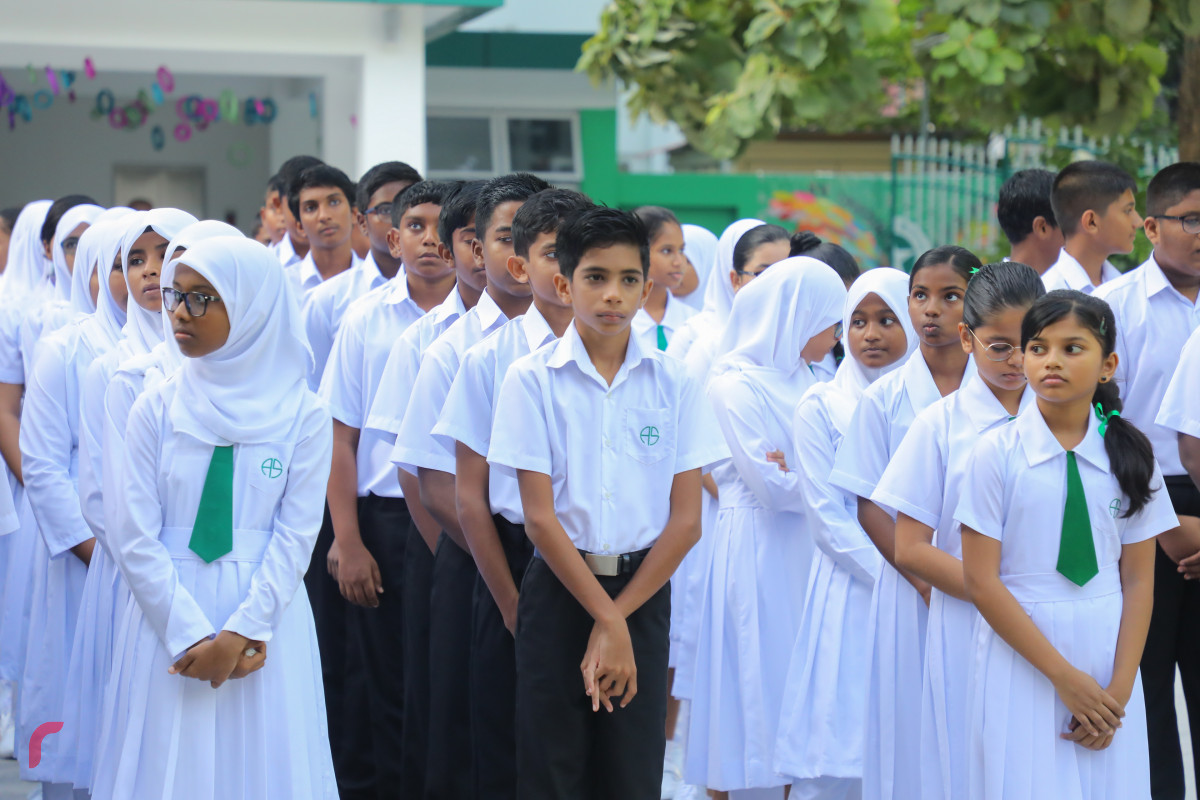
As the Maldives continues to modernize its education sector, growing voices from the public and religious scholars are urging the government to revise the Islamic Studies syllabus taught in schools—shifting focus from purely academic learning to practical Islamic life skills every Muslim should know.
Currently, the system treats acts such as calling the azan (call to prayer) or leading congregational prayer (imam) as roles that often require short-term certification courses. However, many argue that these acts are basic religious responsibilities that all Muslim men should be equipped to perform without needing separate training—if taught properly in the school curriculum.
Islam in Practice, Not Just in Theory
“Performing salat, making azan, or leading as an imam is not rocket science. These are part of daily Islamic life and should be second nature by the time a student completes O-Level,” said a local Islamic teacher from Hithadhoo.
In particular, funeral-related duties—such as ghusl (washing the body) and Salatul Janazah (funeral prayer)—are now increasingly being linked to short courses and certification requirements, rather than being embedded in national education standards.
“Preparing a deceased body for burial is a communal obligation (fard kifayah). Our youth should not have to take a separate course to fulfill what should be a natural extension of their Islamic education,” said an imam in Malé.
A Case for Curriculum Reform
Community leaders suggest that the Islamic Studies curriculum should include:
-
Practical training in leading prayers and making azan
-
Step-by-step understanding of Janazah rituals and body preparation
-
Hands-on learning through mosques or school-based practice sessions
-
Mandatory practical Islam exam before O-Level graduation
They argue that giving students this foundation will reduce the need for short courses and certification for basic Islamic duties. Once trained, graduates could even receive a small religious competency license, especially in rural islands where qualified individuals are limited.
Education for Everyday Faith
Many believe the current syllabus has become too abstract, focusing on memorization and exams rather than preparing students to serve their communities and uphold Islamic responsibilities in real life.
“Our Islamic education is not failing in content—it’s failing in relevance. We need to equip our students to be the ones who lead a prayer, clean a body, and support a community when needed,” said a parent from Fuvahmulah.
Conclusion
As Maldives strives to preserve its Islamic identity while modernizing its institutions, reforming the Islamic Studies curriculum to reflect practical obligations is a step toward religious empowerment—not bureaucracy. When core religious acts require external certification, the system may need to return to its roots—and prepare every citizen to fulfill their duties, not just recite them.