




President Yameen’s Legacy: Development, Debt, and Debate
From mega-infrastructure to economic reform, Abdulla Yameen’s presidency reshaped Maldives—but left behind a mixed legacy
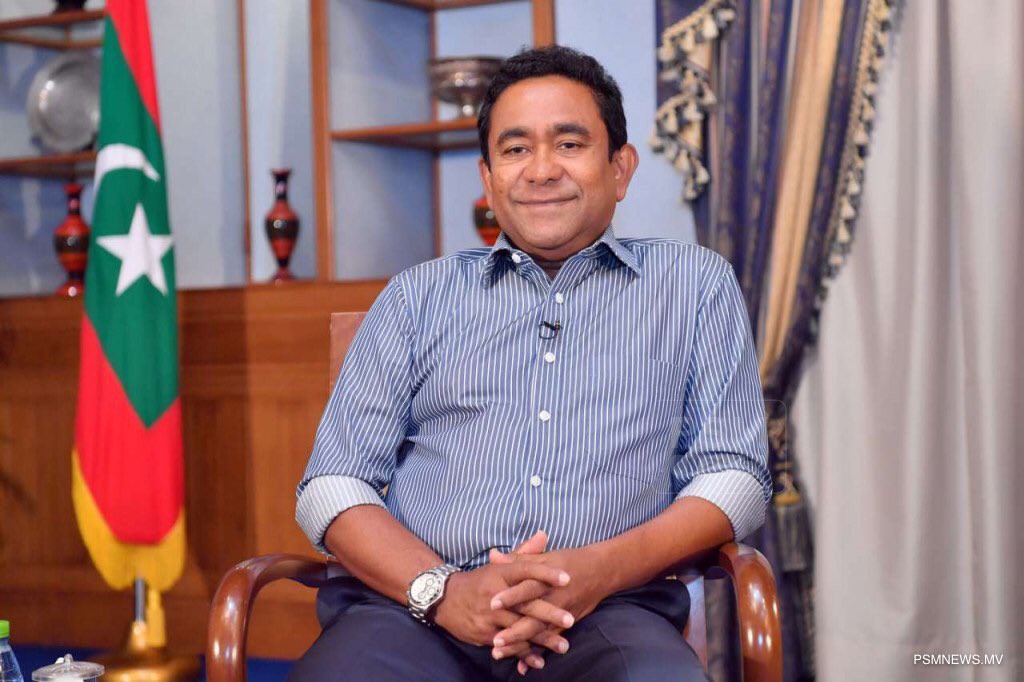
Former President Abdulla Yameen Abdul Gayoom, who served as the 6th President of the Maldives from 2013 to 2018, left behind a presidency marked by rapid development, assertive foreign policy shifts, and deep political polarization. His term is remembered for transformational infrastructure projects, economic liberalization, and an ambitious vision for national progress—though critics also highlight rising debt, restricted freedoms, and allegations of corruption.
Infrastructure Boom: “Jazeera Raajje” Vision
One of Yameen’s most visible legacies is the extensive infrastructure development that took place during his five-year term. His government undertook large-scale national projects, many under his “Jazeera Raajje” (Island Nation) development vision:
-
Sinamalé Bridge (China-Maldives Friendship Bridge): Connecting Malé, Hulhulé, and Hulhumalé, this was the first inter-island bridge in the country and a landmark achievement in connectivity.
-
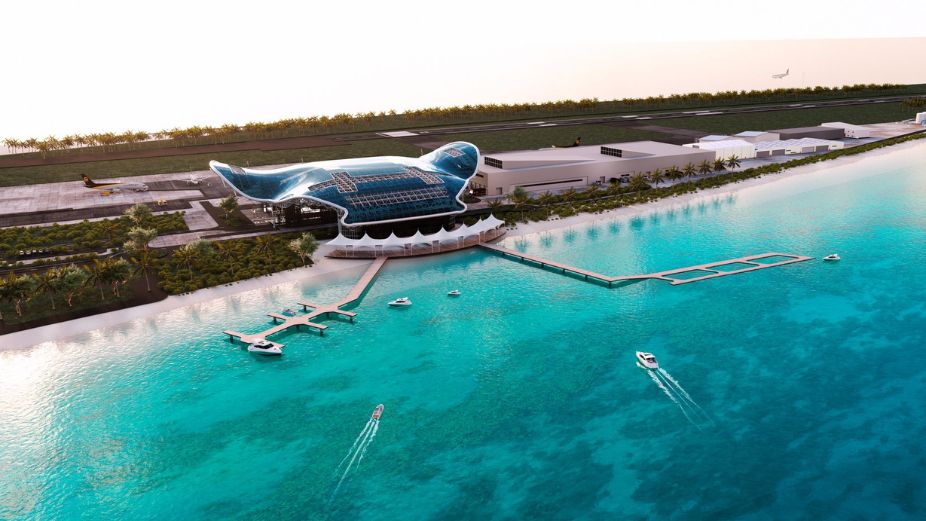
Velana International Airport expansion: Initiated major upgrades including a new runway and international terminal.
-
Housing projects: Thousands of flats and housing units were developed, especially in Hulhumalé Phase 2, as part of a plan to accommodate population growth.
-
Harbor and road development: Upgraded infrastructure in dozens of islands to improve transport and access.
Economic Reforms and Foreign Investment
Yameen’s administration actively pursued foreign direct investment, particularly from China and Saudi Arabia, to fund infrastructure and economic expansion. His government emphasized private sector growth, free trade, and special economic zones (SEZs), aiming to attract investors with long-term tax concessions and development rights.
Major economic initiatives:
-
Free Trade Agreement (FTA) with China (2017): First of its kind in the Maldives.
-
Introduction of SEZ Act: Designed to create zones with relaxed regulatory frameworks to stimulate investment.
-
Dollar liquidity improvements: Boosted foreign reserves through external borrowings and tourism growth.
Tilt Toward China
Yameen’s foreign policy marked a significant pivot toward China, distancing Maldives from traditional allies like India. This raised strategic concerns among regional players and sparked the phrase “India Out”, which later evolved into a political movement.
Political Control and Human Rights Concerns
While development surged under Yameen, his administration faced mounting criticism for authoritarian tendencies:
-
Arrests of political rivals and opposition leaders
-
Censorship of media and suppression of protests
-
The 2018 state of emergency following a Supreme Court order to release jailed opposition figures
These actions raised alarm internationally and domestically, casting a shadow over his development record.
Legal Troubles After Presidency
Following his electoral defeat in 2018 to President Ibrahim Mohamed Solih, Yameen was later convicted of money laundering in connection with a tourism leasing scandal. Although he was briefly released, legal challenges continued into the 2020s, keeping his political comeback uncertain—until his recent release and renewed involvement in the opposition coalition.
A Presidency of Contrasts
Abdulla Yameen’s term remains one of the most controversial and impactful in modern Maldivian history. Supporters praise his ambition, vision, and infrastructure-driven legacy. Critics, however, highlight the cost of debt, democratic backsliding, and lack of transparency in public finances.
As Maldives continues to evolve, Yameen’s presidency stands as a stark reminder of the balance between development and democracy, and the long-term consequences of how nations choose to grow.