




Selective Diplomacy or Silent Endorsement? Maldives’ Warm Embrace of Modi Raises Eyebrows
Indian Prime Minister Narendra Modi’s visits to foreign nations often trigger strong responses—welcoming and critical alike. While some leaders in the West, including local officials in New York, have distanced themselves from hosting Modi due to serious allegations surrounding his role in the 2002 Gujarat riots—where over 1,000 people, mostly Muslims, were killed—the government of Maldives has taken a different route.
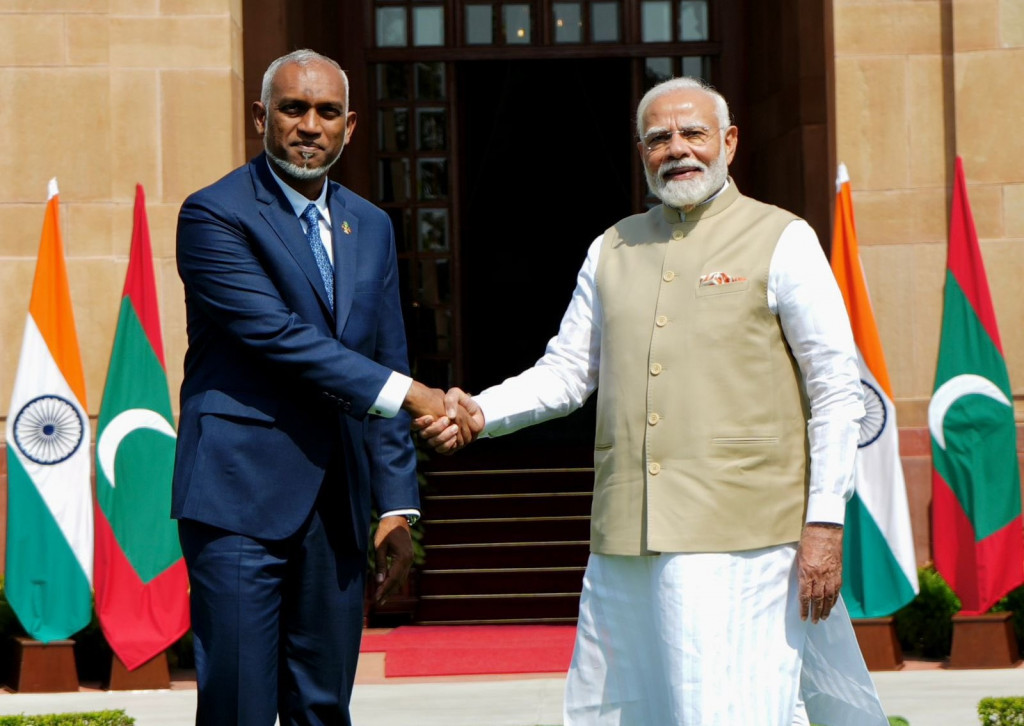
The warm reception extended by Maldivian officials to Modi during his visits, often with elaborate welcomes and friendly public gestures, raises difficult questions. Why does the Maldivian leadership embrace a figure who remains deeply controversial in the Muslim world?
The scars of Gujarat 2002 have not faded for many. Despite the Indian Supreme Court closing further investigations, international human rights organizations and Muslim communities across the globe continue to demand accountability. In 2005, the United States even denied Modi a visa under a law barring entry to foreign officials responsible for severe violations of religious freedom.
In stark contrast, the Maldives—an Islamic nation—has rolled out the red carpet. Government officials cite regional cooperation, economic aid, and shared security interests as reasons. Yet, critics argue that moral and ethical considerations are being sidelined in favor of short-term diplomatic gains.
“Meeting Modi without addressing the oppression of Indian Muslims sends the wrong message,” said one Maldivian political observer. “It suggests silence or even acceptance of policies that marginalize Muslims.”
Ordinary Maldivians, especially those attuned to global Islamic issues, increasingly voice concern. Social media debates, mosque sermons, and youth forums often question the government’s silence on India’s internal injustices under Modi’s administration—including the rise in mob lynchings, anti-Muslim laws, and the revocation of Kashmir’s autonomy.
The challenge for Maldivian leadership lies in balancing diplomacy with dignity. Engagement with neighbors is necessary, but so is standing for the values that the Maldivian constitution upholds—chief among them, the protection of Muslim lives and rights.
In a globalized world, silence is no longer neutral. As Modi continues to tour friendly nations, the Maldives must decide what kind of friendship it wants to project—one built purely on politics or one anchored in principle.