





Opposition Criticizes Slow Development Under President Muizzu as Public Faces Economic Strain
Opposition parties in the Maldives have raised concerns over what they describe as “slow and uncertain” national development under the administration of President Dr. Mohamed Muizzu. Amid an economic downturn marked by rising living costs and stagnating wages, the public is also voicing frustration over the government’s handling of the economy.
Development Projects Lagging, Say Critics
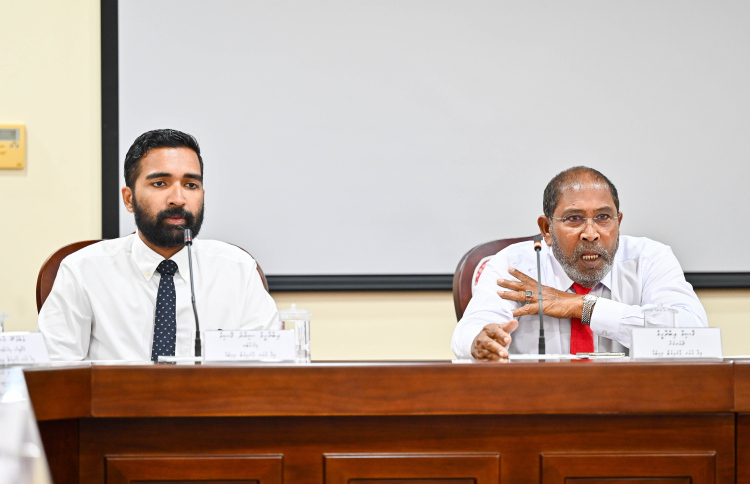
Speaking in Parliament this week, members of the opposition coalition accused the Muizzu administration of lacking direction and urgency in implementing key infrastructure and housing projects. Several high-profile initiatives announced during the early months of his presidency, including new housing developments in Hulhumalé and regional island road works, have faced delays or budget reallocations.
Ibrahim Shahid, MP for the opposition Maldivian Democratic Party (MDP), said:
“The promises made by this government are not matching the reality. People are still waiting for housing, for jobs, and for basic services in the islands. What we see is a presidency that is failing to deliver.”
Economy Under Pressure, Public Feeling the Impact
The criticism comes amid growing concern over the state of the Maldivian economy. The rising Goods and Services Tax (GST), now at 16%, combined with increasing fuel prices and limited wage growth, has put many households under serious financial pressure.
In a recent poll conducted by the Maldives Social Research Institute, 62% of respondents said their economic situation has worsened in the past year, with most citing higher costs of food, rent, and transport.
Rashfa Ahmed, a single mother from Addu City, shared:
“My salary stays the same, but every month my expenses go up. We don’t feel the support we were promised.”
Job Market Still Weak
Despite tourism numbers rebounding to pre-pandemic levels, job creation has lagged behind. Many young people in atoll communities remain unemployed or underemployed, and business owners are calling for policy clarity to attract more investment in non-tourism sectors.
Government Defends Record
In response to the criticism, government ministers defended their performance, pointing to several ongoing infrastructure projects, improved diplomatic ties, and efforts to stabilize public debt.
Minister of Planning and National Infrastructure, Mohamed Aslam, stated:
“Development takes time. We inherited significant challenges, and we are addressing them systematically. Our priorities remain housing, decentralization, and long-term economic reform.”
As the second year of President Muizzu’s term unfolds, the pressure is mounting from both political opponents and the general public. With the cost of living climbing and development progress under scrutiny, the administration faces a pivotal period that could define its legacy and its chances in future elections.