





Maldives Grapples with Economic Strain Amid High Taxes and Low Income
The Maldives, a nation famed for its pristine beaches and luxury tourism, is facing mounting economic pressure as citizens struggle with the dual burden of high taxation and stagnant income levels. Economic experts and citizens alike are calling for urgent reforms to stabilize household finances and improve national fiscal health.
Tax Burden Weighs on Low-Income Households
While the government has increased taxes in recent years to fund infrastructure and public services, many Maldivians argue that the tax structure disproportionately impacts the lower and middle classes. With Goods and Services Tax (GST) recently increased to 16% and Tourism GST at 16%, everyday costs have risen significantly — even for those not directly benefiting from the tourism industry.
Income tax introduced in 2020 continues to apply to monthly earnings exceeding MVR 60,000, but indirect taxes such as GST affect all income brackets equally, placing a heavier burden on low earners.
Salaries Stagnant Amid Rising Living Costs
Despite rising prices in essentials such as food, rent, and transport, median wages in the Maldives have not kept pace. According to recent labor statistics, the average monthly salary in Malé stands at around MVR 10,000–12,000, while a family of four needs at least MVR 20,000 to cover basic living expenses. In the atolls, incomes are often significantly lower.
Tourism Booming, But Benefits Uneven
While the Maldives continues to enjoy strong tourism revenues—with record-breaking arrivals in early 2025—the trickle-down benefits remain minimal for most citizens. Much of the industry is dominated by foreign-owned resorts, and a large share of profits exits the country.
An economist at the Maldives National University, speaking on condition of anonymity, explained:
“The Maldivian economy is structurally imbalanced. Tourism drives GDP, but it doesn’t translate to broad-based income growth. Taxes help fund development, yes—but without wage reform and diversification, the public feels little relief.
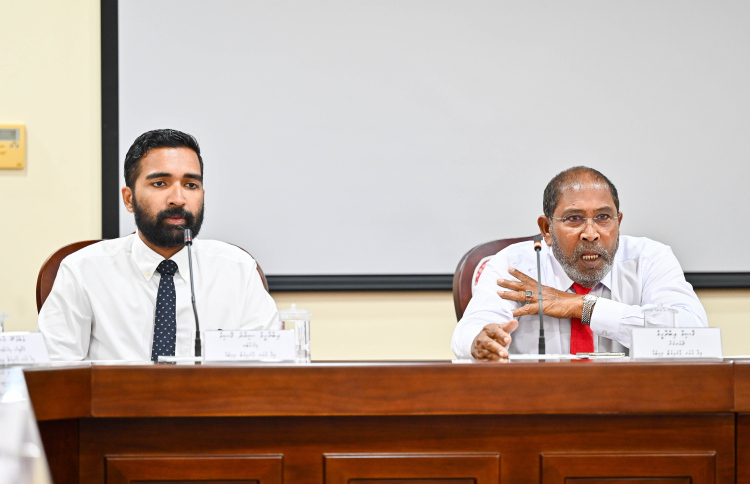
Opposition lawmakers have already tabled motions in Parliament to review fiscal policies, but political divisions remain an obstacle to swift change.
With inflation rising, salaries stagnating, and tax pressure growing, the Maldivian public is feeling the squeeze. Unless substantial reforms are introduced to ensure economic growth benefits the average citizen, the gap between tourism-fueled prosperity and everyday hardship will continue to widen.