





Maldives Confronts Dual Health Crisis: Non-Communicable Diseases and Climate-Driven Threats on the Rise
Malé, Maldives
The Maldives is facing a complex and evolving public health challenge as it battles a dual burden of non-communicable diseases (NCDs) and climate-related health risks, threatening the well-being of its population and the sustainability of its healthcare system.
While the country has made significant progress in controlling infectious diseases and improving access to basic healthcare, new data show a troubling rise in chronic illnesses such as heart disease, diabetes, and cancer. These NCDs are now among the leading causes of death and disability in the Maldives, driven by changing lifestyles, poor diets, tobacco use, and physical inactivity.
At the same time, malnutrition—both undernutrition and obesity—remains a persistent issue, particularly among children and vulnerable communities. Experts warn that unless urgent action is taken, the health impact will continue to escalate, placing greater strain on limited medical resources.
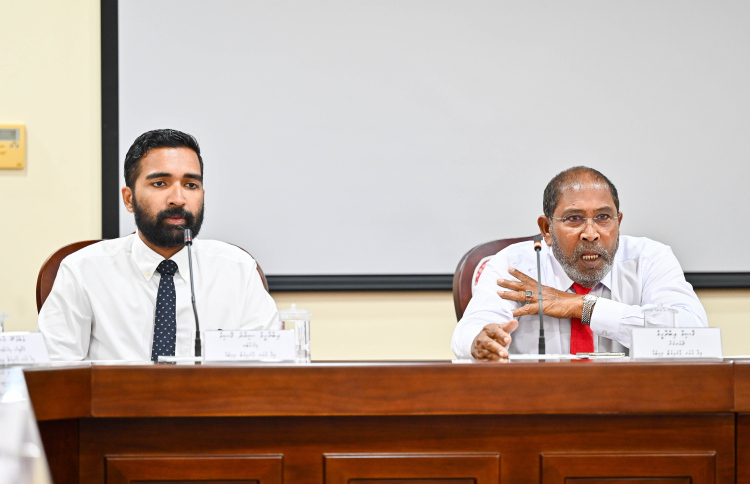
“We are facing a silent epidemic of lifestyle-related illnesses,” said a senior official at the Ministry of Health. “At the same time, we cannot ignore the looming environmental threats that are accelerating due to climate change.”
Environmental Health Threats Rising with the Sea
The Maldives, a low-lying island nation, is on the frontlines of the climate crisis. Rising sea levels, coastal erosion, and saltwater intrusion threaten not only homes and infrastructure but also public health. One growing concern is the increased risk of disease outbreaks due to contaminated water supplies—a direct consequence of flooding and inadequate sanitation in affected islands.
Warmer temperatures and changing rainfall patterns also create more favorable conditions for vector-borne diseases such as dengue and chikungunya, which have already shown seasonal spikes in recent years.
A Call for Integrated Action
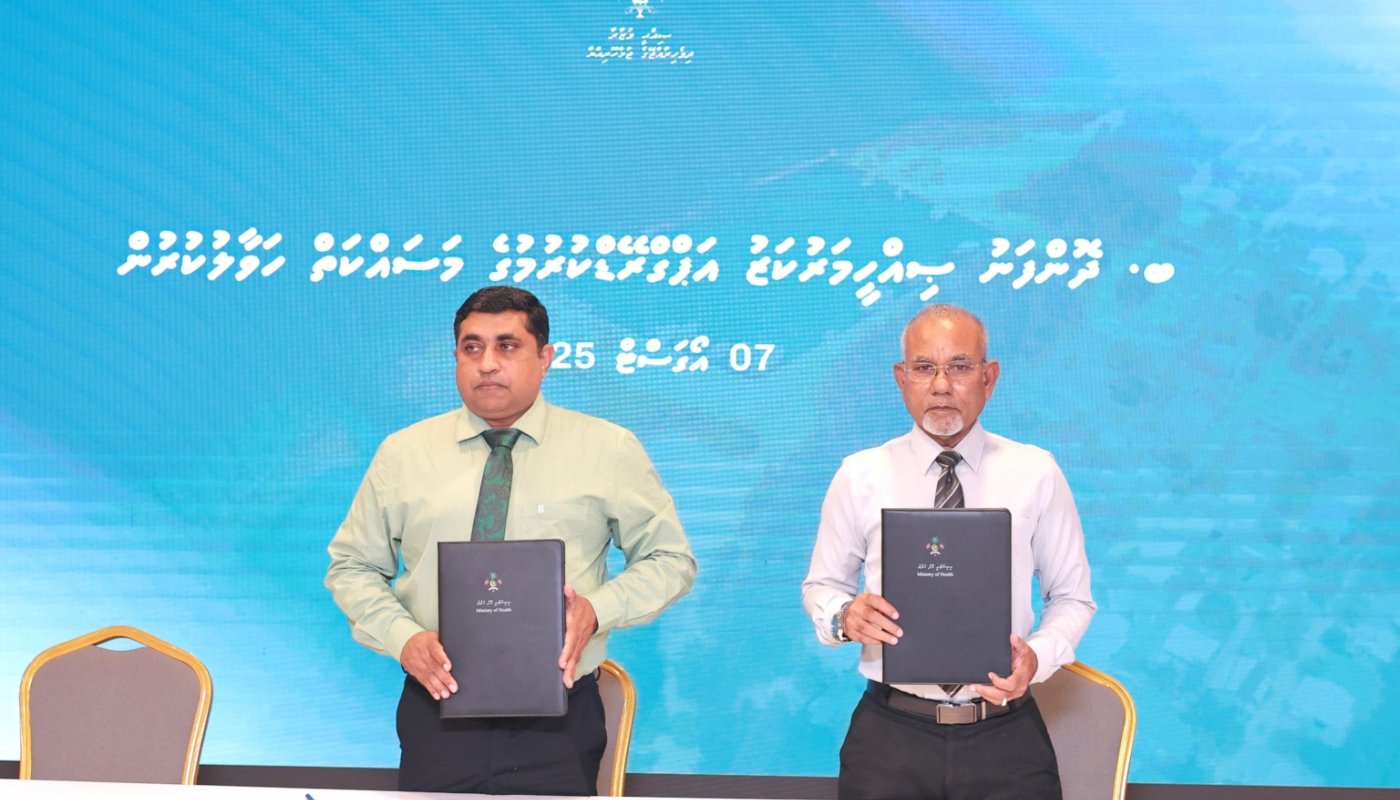
The government, in collaboration with international health and climate agencies, is working to strengthen its public health surveillance, promote healthier lifestyles, and build climate-resilient health infrastructure. Initiatives include national awareness campaigns on nutrition and exercise, expansion of chronic disease screening programs, and investments in safe water and sanitation systems.
However, public health experts stress that a more integrated and preventive approach is needed—one that addresses the social, environmental, and behavioral drivers of poor health.
“We need a national commitment to long-term health and sustainability,” said Dr. [Name], a local public health expert. “It’s not just about treating disease, but preventing it—through education, environmental protection, and smarter policies.”
Looking Ahead
As the Maldives navigates these intersecting health challenges, it stands at a critical crossroads. Tackling NCDs while adapting to climate change will require not only medical solutions but also community engagement, policy reform, and global support.
The future of health in the Maldives depends on how well the country balances today’s needs with tomorrow’s risks—ensuring that every citizen has the chance to lead a healthier, safer life in a rapidly changing world.