







Digital by Name, Not by Practice? Maldivians Question Government’s Push Toward a “Digital Future”
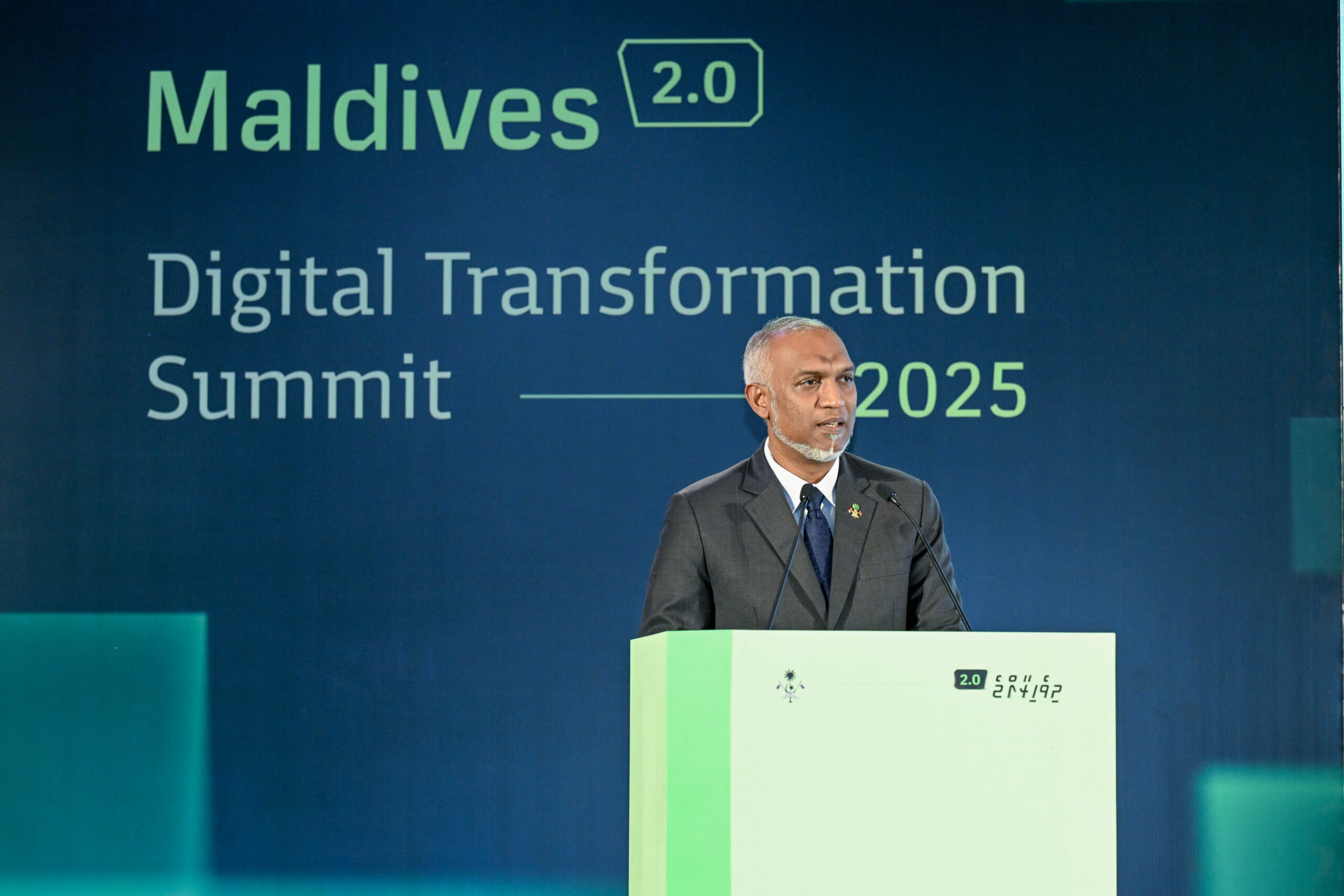
Malé, Maldives — As the world rapidly embraces Artificial Intelligence (AI), automation, and full-scale digital integration, the Maldives government has announced its intention to move toward a “digital future.” But for many citizens and experts, the announcement raises more questions than confidence.
While global digitalisation has already transitioned into AI-driven innovation and smart governance models, Maldivians are left wondering whether the nation is keeping up — or simply recycling outdated digital slogans from a decade ago.
For years, previous administrations and public campaigns have emphasized digitalisation as a key development goal. E-services, e-payments, and online portals have been introduced in parts — yet much of the public sector remains paper-based, manual, and fragmented. Citizens still face delays, lack of access, and outdated infrastructure in critical services such as health, education, licensing, and public administration.
“When we hear ‘digital Maldives,’ we expect AI-backed smart services, integrated platforms, real-time data systems — not PDF forms and broken portals,” says a local IT professional in Malé. “The world has moved far beyond basic digitalisation. We’re now talking about AI governance, blockchain for transparency, and data-driven public policies.”
Despite these concerns, the government’s recent pledge to embrace a digital future offers hope for reform, especially if it comes with clear roadmaps, modern infrastructure, digital literacy training, and private sector engagement. But citizens emphasize the need for action, not slogans.
Many believe that without proper execution, transparency, and accountability, the phrase “Digital Maldives” risks becoming another hollow buzzword — far removed from the actual technological transformation needed to match global standards.
As the rest of the world accelerates toward AI-powered economies, the Maldives stands at a crossroads: either to catch up with the real digital revolution or continue to speak of digitalisation in terms that are already outdated.