





“Color Run” or Hidden Holi? Concerns Rise Over Cultural Appropriation in 100% Muslim Maldives
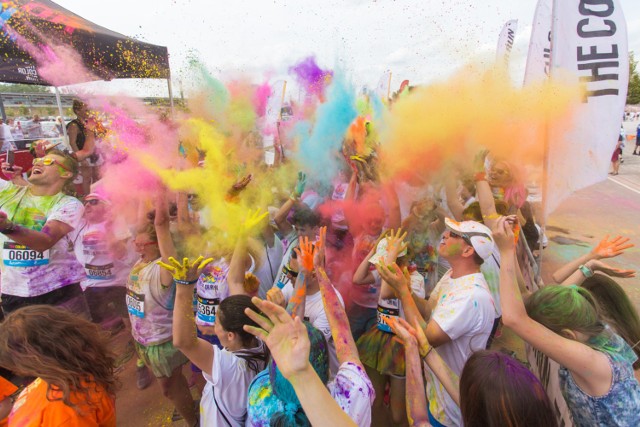
Malé, Maldives — A growing number of Maldivians are expressing concern over the introduction of events resembling India’s Holi festival, rebranded under different names such as the “Color Run”, raising questions about cultural sensitivity and respect for the nation’s Islamic values.
The Holi festival, celebrated primarily by Hindus in India, is known for its vibrant use of colored powders and is deeply rooted in religious and mythological significance. While the event itself symbolizes joy and the arrival of spring, it is also undeniably a religious celebration, with historical and spiritual meaning in Hindu tradition.
Recently, similar events have surfaced in the Maldives — marketed as non-religious “color festivals” or “color runs” — often organized or promoted by corporate entities whose marketing leadership includes individuals from non-Muslim backgrounds, particularly expatriates from India. Critics argue that while the names may be altered, the essence and symbolism remain identical to Holi, raising red flags about the quiet importing of foreign religious practices into a 100% Muslim country.
“Changing the name doesn’t change the reality,” said a concerned local community leader. “This is Holi being introduced under the radar, and it is not appropriate in a nation where Islam is not only the state religion but a part of every citizen’s daily life.”
Many citizens are now calling on authorities and religious councils to investigate these events and ensure that no hidden religious influence is being promoted under the guise of cultural or fitness activities. While the Maldives remains open to international tourism and multicultural exchanges, there is a strong consensus that religious boundaries must be respected, especially in public celebrations and corporate-sponsored events.
At the same time, others argue that such events are simply modern, colorful expressions of entertainment, without religious connotation. This ongoing debate highlights the tension between globalization and national identity — a sensitive issue in many culturally conservative societies.
As the discussion continues, one thing is clear: Maldivians are increasingly alert and protective of their faith, traditions, and cultural space, and expect transparency and respect from both local and international organizers operating within the country.
