







USD Exchange Rate Soars to MVR 19.30: President Muizzu’s Denial Raises Eyebrows
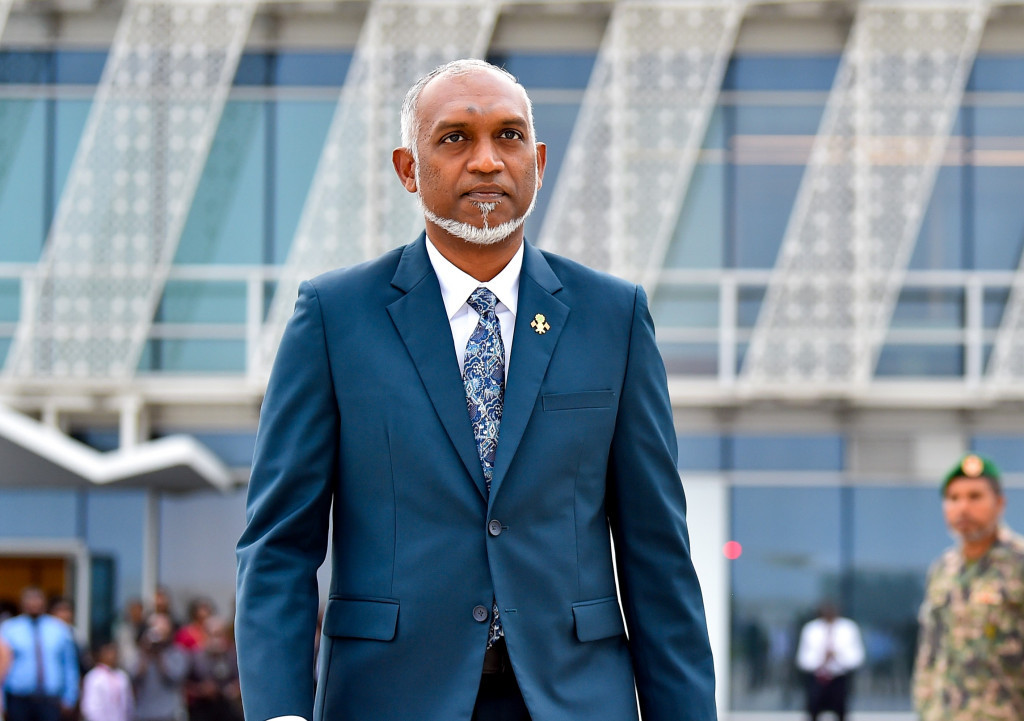
In a dramatic turn of events, the exchange rate of the US Dollar (USD) against the Maldivian Rufiyaa (MVR) has surged to MVR 19.30 today, marking a significant milestone that many economists and analysts have been warning about for months. This steep rise in the exchange rate has left both local businesses and citizens grappling with the consequences of an increasingly devalued currency. However, in a move that has stunned the public, President Mohamed Muizzu continues to deny the rise, calling it “foolishness.”
The Rising Dollar: A Reality Many Have Been Dreading
The Maldivian economy has long been vulnerable to external shocks, largely due to its reliance on imports and tourism. For months, the country has seen a steady depreciation of the Maldivian Rufiyaa, and the latest spike to MVR 19.30 to the USD is a stark reminder of the challenges facing the nation’s financial system.
For many Maldivians, this steep rise in the exchange rate is a troubling sign. The country has struggled with inflation, rising cost of living, and an increase in import prices that have hit hard-working citizens in their pockets. Businesses are now forced to pay more for essential goods and services, and the gap between the local currency and the dollar has widened, threatening the purchasing power of the average Maldivian.
Economists have long warned about the risks of a volatile exchange rate, and this latest surge comes as no surprise to many who have been watching the situation closely. Yet, despite the clear indicators, President Muizzu has continued to downplay the situation.
President Muizzu’s Dismissal: Denial or Deflection?
In a bizarre public statement today, President Muizzu once again dismissed the surge in the USD exchange rate, calling it “foolishness.” This surprising response has raised eyebrows among economists, political analysts, and everyday citizens alike. Given the evident rise in the exchange rate, Muizzu’s refusal to acknowledge the reality of the situation has left many questioning his understanding of the nation’s economic challenges.
“It’s a foolish exaggeration,” Muizzu reportedly said during a press briefing, further downplaying the issue. “There’s no significant rise in the exchange rate. This is just a temporary fluctuation that the media is making a mountain out of a molehill.”
For critics, this denial is symptomatic of a broader issue: a government that is failing to come to terms with the economic reality facing the country. As global inflation continues to affect the cost of goods and services, many argue that President Muizzu’s rhetoric is disconnected from the actual experiences of Maldivian citizens.
The Economic Consequences of Denial
Muizzu’s continuous dismissal of the exchange rate crisis may have serious consequences for both public trust and economic stability. If the administration refuses to acknowledge the challenges, it is unlikely that effective policy measures will be implemented to curb the rising cost of living or address the weakening currency. The Maldivian people are already feeling the pain, as businesses raise their prices, and families struggle to make ends meet with the inflationary pressures.
Economists have expressed concern that if the government does not act soon, the situation could worsen. The current trend could lead to further devaluation of the MVR, creating a vicious cycle of rising prices, reduced purchasing power, and economic instability.
The government’s inability to manage the currency crisis could also undermine foreign investor confidence, as the exchange rate directly impacts investment returns. A destabilized economy often leads to reduced investment, which further hampers the country’s development prospects.
Public Reaction: Frustration and Distrust
The Maldivian public’s reaction to President Muizzu’s comments has been swift and critical. Many are expressing frustration at what they perceive as government incompetence and the lack of genuine concern for the economic difficulties faced by ordinary citizens. Social media platforms have been flooded with comments, with many questioning how long the government can continue to ignore a crisis that is becoming increasingly hard to overlook.
Opposition parties have seized on this moment, accusing President Muizzu of either being out of touch with the real issues or intentionally deflecting blame to avoid addressing the mismanagement of the economy. Some analysts suggest that Muizzu’s denial may be a deliberate political move to downplay the situation ahead of upcoming elections, but it risks making him appear disconnected and unable to manage the nation’s financial crisis effectively.
A Nation at a Crossroads
As the USD continues to climb, the Maldives stands at a crossroads. The decision by President Muizzu to dismiss the concerns of the public and downplay the rising exchange rate may have short-term political motivations, but the long-term consequences of ignoring the economic realities could be severe.
For the sake of the country’s future, the government must take a more honest approach to addressing the economic challenges facing the Maldives. Only through transparency, pragmatic policy-making, and a willingness to confront the hard truths can the country hope to navigate its way out of the current crisis.
Until then, the Maldivian people will continue to face the effects of a devalued currency while watching their leaders debate the reality of the situation.