








Maldives’ Undersea Tunnel Claim Faces Global Reality Check
Experts question feasibility and financial viability of President Muizzu’s “world-first” tunnel promise amid rising national debt
President Dr. Mohamed Muizzu’s recent announcement of a groundbreaking undersea tunnel linking Malé to the newly reclaimed Ras Malé island has stirred both public excitement and skepticism. Promoted as a “world-first” venture, the proposed tunnel features an ambitious design—a transparent, submerged rail passage offering panoramic underwater views. However, global infrastructure records show that undersea tunnels are far from unprecedented, and concerns are growing over the project’s financial sustainability in an already debt-laden economy.
🌍 A Global First? Not Quite.
Dr. Muizzu’s assertion that Maldives will be the first country to construct an underwater tunnel is factually incorrect. Undersea tunnels have existed for nearly two centuries. The first, London’s Thames Tunnel, was constructed between 1825 and 1843. Since then, over 200 underwater tunnels have been built worldwide, including highly trafficked routes such as:
-
Cross-Harbour Tunnel, Hong Kong (1.86 km): ~117,000 vehicles daily
-
Ryfylke Tunnel, Norway (14.4 km, 292m depth): ~10,000 vehicles daily
-
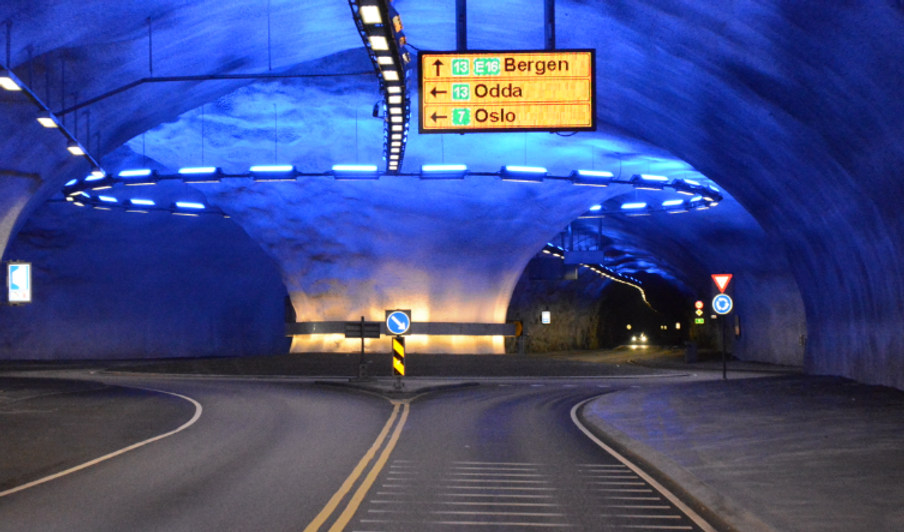
Eysturoyartunnilin, Faroe Islands (11.2 km with undersea roundabout): ~5,800 vehicles daily
-
Bangabandhu Tunnel, Bangladesh (9.3 km): South Asia’s first underwater tunnel, costing around US $1.2 billion
Financial Reality: High Cost, High Risk
Maldives currently faces a public debt crisis, with its debt-to-GDP ratio hovering around 110%. Infrastructure of this scale typically comes with billion-dollar price tags. For example, Bangladesh’s Bangabandhu Tunnel—also an immersed road tunnel beneath the Karnaphuli River—cost nearly ₹107 billion, or US $1.2 billion.
With Maldives’ limited domestic revenue sources and a growing dependence on external loans, economic experts warn that such a project could strain public finances even further, especially if it underdelivers on returns.
“There is a significant risk that this becomes a white elephant—beautiful in vision but economically burdensome,” said one Maldivian infrastructure economist, who preferred to remain anonymous.
Engineering Feasibility and Environmental Concerns
In addition to financial burdens, engineering experts have voiced concerns over the technical challenges of building a transparent undersea tunnel in an ecologically sensitive marine environment. Transparent structural components, saline resistance, marine biodiversity protection, and long-term maintenance will require cutting-edge technology, much of which is not available locally.
“No country has built a large-scale transparent underwater rail tunnel yet. Even in nations with vast engineering capacity, underwater visibility features remain extremely rare and experimental,” said a civil engineering consultant familiar with similar projects in Asia.
Novelty vs. Necessity
The proposed tunnel would span a distance currently covered in 10 minutes by speedboat, raising further questions about its necessity. Critics argue that improving existing maritime transport or investing in more urgent public infrastructure—such as hospitals, schools, or renewable energy—could deliver far greater national benefit.
Meanwhile, government officials maintain that the project will boost tourism and set Maldives apart as a leader in futuristic infrastructure.
President Muizzu’s undersea tunnel plan is undeniably bold and visionary. But when benchmarked against global precedents and set against Maldives’ economic constraints, it raises urgent questions of prioritization, feasibility, and fiscal responsibility. With over 200 underwater tunnels already in existence, the Maldives’ tunnel may not be a world-first—but it risks becoming a world-famous cautionary tale unless grounded in realism and rigorous planning.