








Maldives Political Landscape Shifting: New Parties Rise but Voters Prioritize Individuals Over Party
Malé, Maldives – July 2025
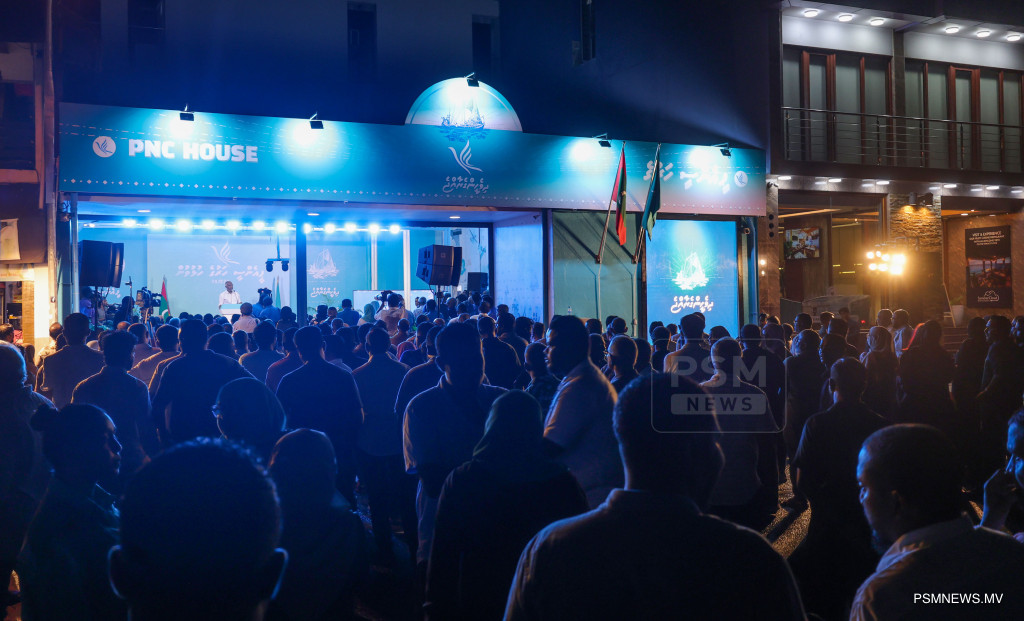
The Maldivian political scene continues to evolve as voters increasingly place trust in individual candidates rather than entrenched parties. With 10 registered political parties—including the dominant Maldivian Democratic Party (MDP) and the rising People’s National Congress (PNC)—the system appears vibrant, yet parties often struggle to retain allegiance
Political Party Landscape
According to the Elections Commission, the Maldives currently hosts ten registered parties: MDP, Adhaalath Party, Jumhooree Party, PPM, MDA, MTWD, MLSDP, PNC, MRM (now dissolved), and MNP. In parliament after the April 2024 elections, five parties hold seats:
-
PNC: 66 seats
-
MDP: 12 seats
-
MDA, JP, MNP & Independents: remainder
Do Party Memberships Matter?
With around 173,747 registered party members, the PNC leads with ~68,968 members, followed by MDP (~43,755), JP, and PPM .
However, 42% of eligible voters aren’t affiliated with any party, indicating many citizens remain unaffiliated and politically independent
Rise of Candidates Over Party Lines
In 2023, Dr. Mohamed Muizzu became president by forging his own path—bucking established party hierarchies and eventually forming the PNC in January 2019 . His presidential victory and subsequent parliamentary success—securing two-thirds of seats in April 2024—highlighted voter willingness to rally behind a figure rather than party legacy .
This approach resonates with a popular sentiment: many Maldivians vote based on individual credibility and a desire for change rather than continuous support for existing parties
Weak Party Loyalty, Strong Personal Mandates
Local observers note that parties struggle to maintain loyalty, as defections and party-switching are common. Scholars emphasize that Maldivian politics remains personalistic, driven by candidate charisma, regional ties, and short-term promises—often overshadowing ideological commitment .
Maldivian democracy thrives on its multiparty structure, but the true power lies with individuals who can connect directly with voters. Dr. Muizzu’s rise demonstrates a growing trend: voter preference for leadership qualities and fresh vision over party labels. In this climate, political parties—no matter their resources—may need to shift focus: from building membership rolls to nominating compelling candidates and crafting issue-driven platforms.