










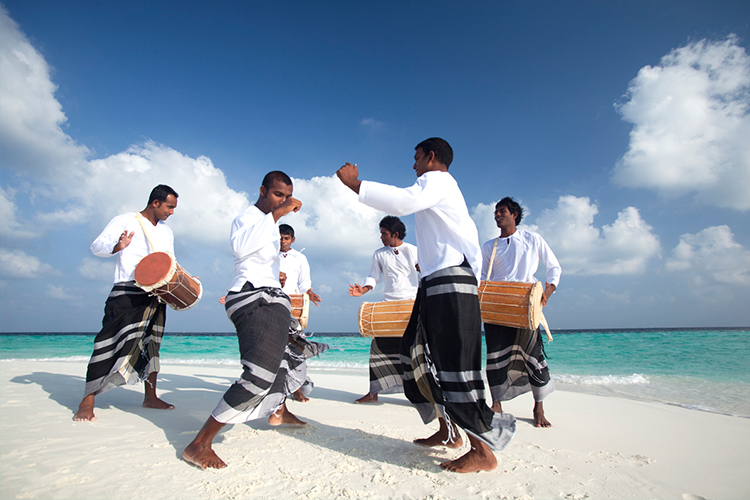
Boduberu: The Heartbeat of the Maldives Lives On Through Rhythm and Dance
Malé, Maldives – July 2025
In the rhythm of the drums, the call of the voices, and the synchronized movements of dancers, Boduberu continues to echo across the Maldives as a timeless celebration of identity, culture, and community. Often referred to as the “heartbeat of the islands,” Boduberu is more than just music—it’s a living tradition that connects Maldivians to their roots.
A Rich History with Global Influences
Boduberu is believed to have originated centuries ago, with possible influences from East African music and dance brought to the Maldives through ancient trade routes. Over time, it has evolved into a uniquely Maldivian form of performance art, blending rhythmic drumming, chanting, and energetic dancing.
Traditionally performed by groups of men, a typical Boduberu ensemble includes a lead singer, multiple drummers, and dancers. The music starts slow and builds into an intense and hypnotic crescendo, often stirring the audience into joining the beat.
“Boduberu is the voice of our ancestors,” says Ahmed Zareer, a cultural historian. “It was how they celebrated, expressed emotion, and brought people together. It still does that today.”
A Staple of Celebrations and Culture
Whether it’s weddings, Eid celebrations, festivals, or tourist shows, Boduberu remains a vibrant part of Maldivian life. While once mostly confined to local gatherings, it has now become a national symbol, regularly featured at cultural events and performances for visitors.
The lyrics of Boduberu songs vary from poetic expressions of love and nature to humorous commentaries on daily life, always delivered with passion and rhythm.
A Tradition Passed Through Generations
Younger Maldivians are also embracing Boduberu, with cultural clubs and music groups keeping the tradition alive across islands. Schools and youth festivals often feature Boduberu performances, ensuring that the art form is passed down and reimagined by new generations.
The Ministry of Arts and Culture, along with NGOs and community leaders, has also supported efforts to preserve and promote Boduberu, recognizing its value as part of the nation’s intangible cultural heritage.
More Than Music—A Shared Identity
In a rapidly modernizing Maldives, Boduberu stands as a reminder of cultural resilience and pride. It tells the story of the islands not through textbooks, but through sound, movement, and shared experience.
“When we play Boduberu, we remember who we are,” says Ibrahim Naseem, a Boduberu performer from Addu. “No matter how much changes, the beat stays with us.”
As long as the drums continue to sound and the voices rise in chorus, Boduberu will remain at the soul of Maldivian life—a heartbeat that never fades.