










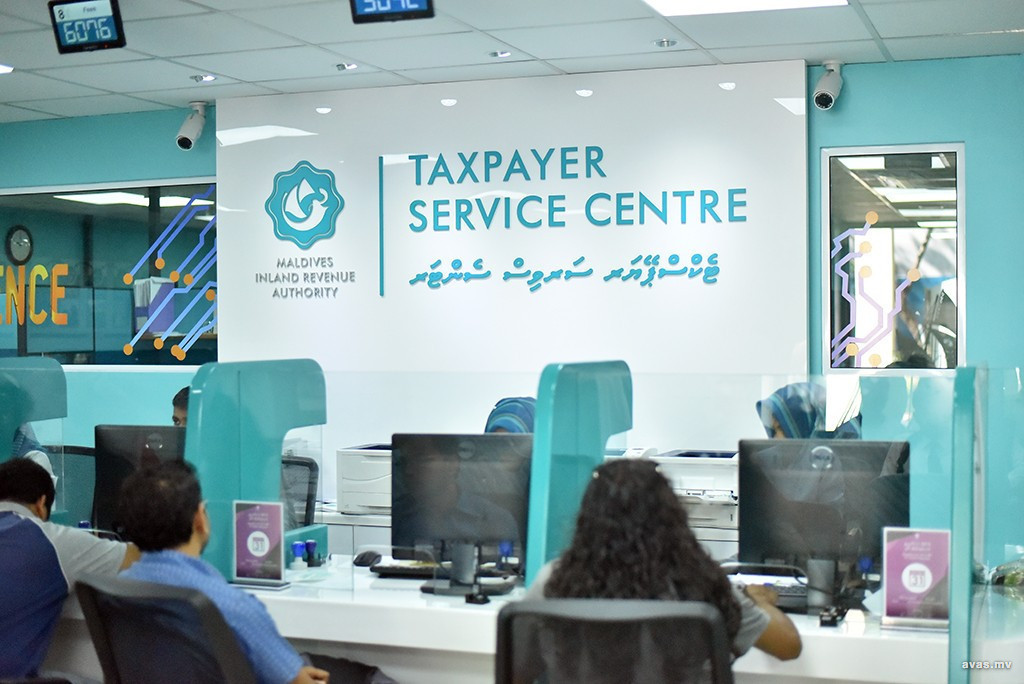
Maldives Tax System Lacks Foundation: Absence of Commencement and Bankruptcy Laws Leaves Private Sector Exposed
Since the Maldives introduced its modern tax system over a decade ago, businesses have operated under growing fiscal responsibilities. However, the legal infrastructure that should safeguard private enterprises remains incomplete. The absence of key foundational laws—specifically, a Commencement Law and a Bankruptcy Law—has created a legal vacuum that undermines both investor confidence and fair business practices.
A System Without a Safety Net
The Maldives Inland Revenue Authority (MIRA) began implementing tax regulations in 2011, starting with the Goods and Services Tax (GST) and Business Profit Tax (BPT). Yet, there has been no accompanying legislation that clearly defines when and how obligations under new laws begin (commencement) or what happens when a business is unable to meet those obligations (bankruptcy).
This gap has resulted in legal uncertainty, particularly for small and medium enterprises (SMEs), which form the backbone of the local economy. Without clear guidelines on legal start dates for tax liabilities or protections in cases of insolvency, businesses face heightened risks.
Private Sector at Risk
Experts argue that the lack of a Bankruptcy Law in particular leaves businesses, especially startups and SMEs, exposed to aggressive tax enforcement with no legal framework for restructuring or relief. “A proper bankruptcy regime is not about letting businesses escape responsibility; it’s about allowing them a fair process to recover or close down responsibly,” says a local legal consultant.
Likewise, a Commencement Law is vital for transparency and legal certainty. It ensures that new laws or amendments are applied prospectively, with clear timelines, giving businesses time to adapt. Currently, ambiguity around commencement dates of fiscal laws opens the door for retrospective application—an unfair practice that violates principles of due process.
The Case for Reform
Calls for legislative reform are not new, but they are growing louder. With the Maldives positioning itself as a regional hub for investment and tourism, the country’s legal and regulatory framework must evolve to match its ambitions. Investors look for stability, predictability, and fairness—three pillars weakened by the absence of these fundamental laws.
Until these critical pieces of legislation are enacted, the Maldivian tax system remains on shaky ground. In its current state, it functions more as a burden than a balanced system of civic contribution, especially for local entrepreneurs striving to grow their businesses under increasing economic pressure.
If the Maldives is to promote sustainable economic development and foster a thriving private sector, it must prioritize the introduction of a Commencement Law and a Bankruptcy Law. These aren’t just legal formalities—they are essential protections that ensure the tax system works for the people, not against them.