







Is the Maldives Really Sinking? Islanders Challenge Global Narrative with Ground Reality
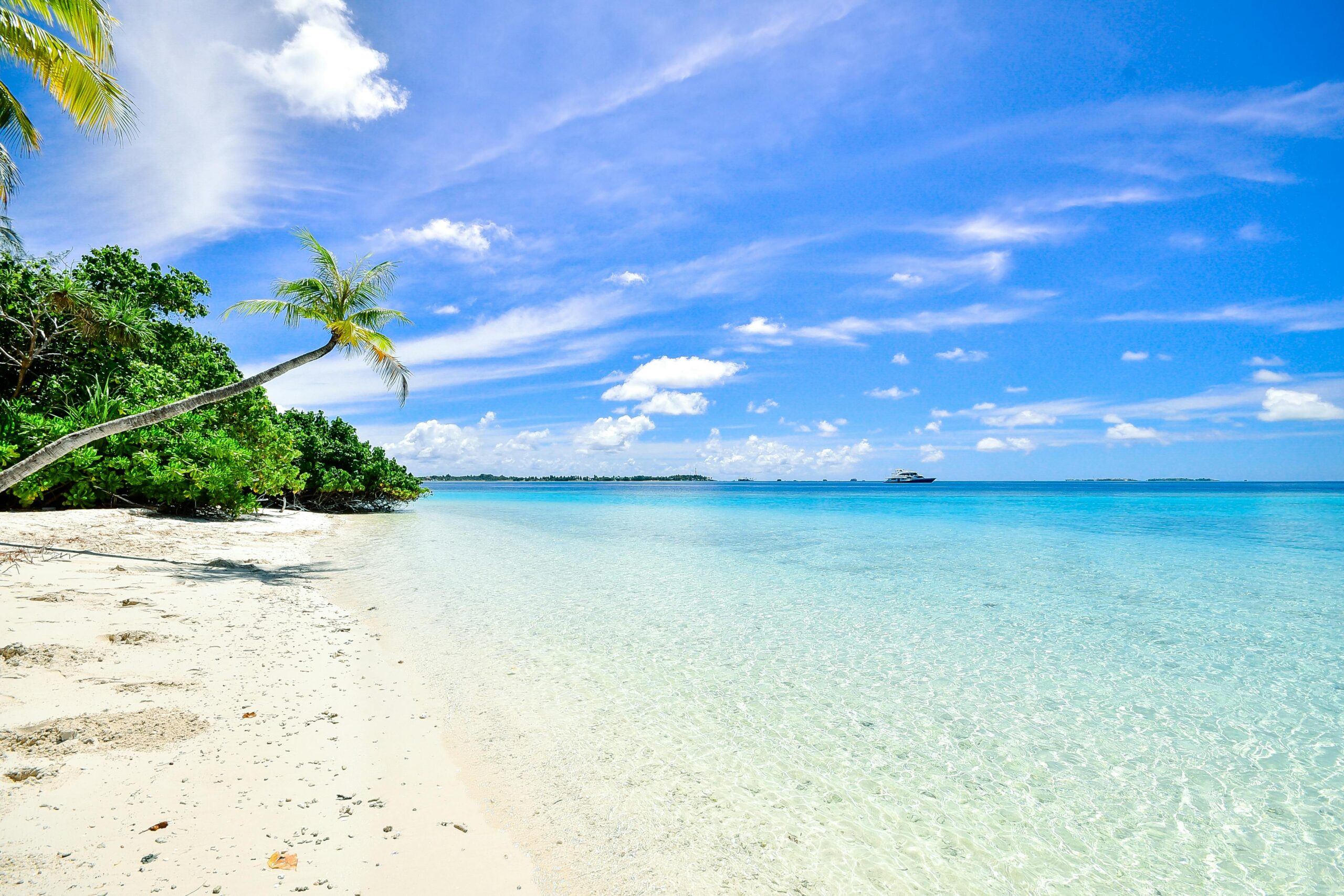
Malé, Maldives — For years, the Maldives has been labeled as the poster child for climate change vulnerability — often described as a nation “on the verge of sinking” due to rising sea levels. While this dramatic narrative has captured international media headlines and tourism campaigns, many Maldivians who live on the islands have a different perspective — shaped by generations of firsthand experience with the ocean and monsoon cycles.
The Maldives, made up of over 1,000 coral islands scattered across the Indian Ocean, sits just 1 to 1.5 meters above sea level. Scientific studies do confirm that global sea levels are rising — approximately 3–4 millimeters per year. However, local islanders argue that this rise is not as catastrophic or immediate as often portrayed.
In fact, island morphology is far more dynamic than many realize. Islanders who have lived through decades of changing weather patterns point out that natural island growth — driven by monsoon-driven sand movement — plays a key role in maintaining and even increasing land area in some islands.
“During the southwest monsoon, especially, we see large volumes of sand carried from the beach to the island interior. In some islands, the land level increases naturally every year,” says a resident of an inhabited island in Laamu Atoll. “This process has been happening for centuries. It’s part of how these islands survive and evolve.”
Indeed, several studies in recent years have observed that some Maldivian islands have maintained or even increased their landmass, contradicting the idea that the country is rapidly vanishing beneath the waves. The natural supply of sand from the reef and sea, combined with seasonal wind and current patterns, helps reshape islands continuously — something outsiders unfamiliar with island life may not fully understand.
On the other hand, when islands are heavily modified — for example, surrounded by high concrete seawalls that prevent sand movement, the natural growth process is blocked. In these cases, erosion may appear worse because the island can no longer “breathe” and grow as it naturally would.
While no one denies that climate change is a global crisis, many Maldivians believe that the “sinking narrative” has been exaggerated or misused as a marketing slogan, especially in tourism: “Visit Maldives before it sinks.” It’s a powerful message — but one that may not reflect the full complexity of the Maldives’ unique geography and resilience.
“We are not sinking — we are adapting,” says a young environmental advocate from Baa Atoll. “Yes, we need to prepare for climate risks. But it’s also important the world hears our voice — not just the headlines.”
As the Maldives continues to engage in global climate diplomacy, locals call for a more accurate, balanced narrative — one that recognizes both the vulnerability and resilience of the islands, and the deep knowledge of those who have called them home for generations.