







Controversy Rises Over Modern Eid Celebrations in Maldives: Scholars Question Cultural Shifts
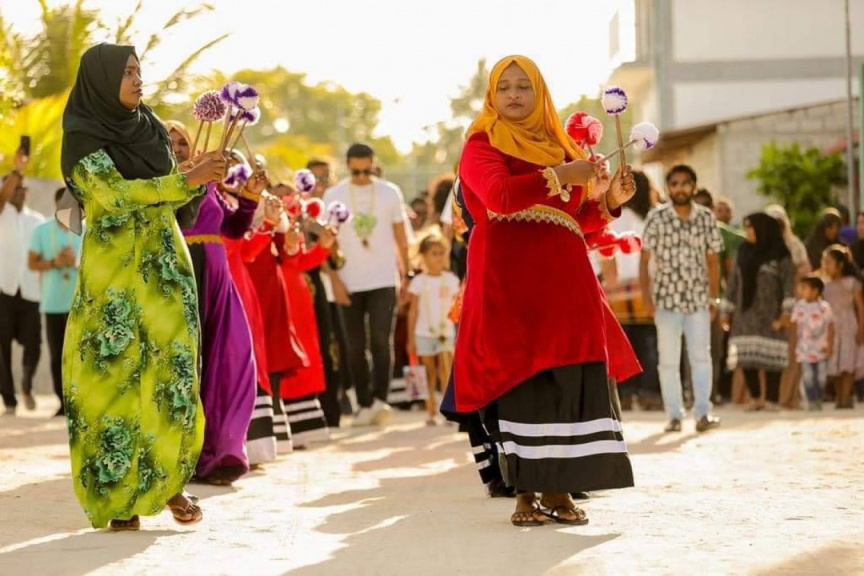
Malé, Maldives — A new wave of cultural expression during Eid celebrations is stirring national debate in the Maldives, as ladies’ dance performances and public shows become increasingly popular across several islands — particularly in Baa Atoll, Ari Atoll, and Laamu Atoll.
While many island communities see these performances as part of joyful festivities and local creativity, religious scholars and conservative voices have raised strong concerns about whether such practices align with Islamic principles. The Maldives, being a 100% Muslim country, maintains religious unity as a core part of its national identity and governance.
Videos and images of women participating in public dance events during Eid have been widely circulated on social media, drawing mixed reactions from the public. Some praise the inclusive, festive atmosphere, while others argue that it conflicts with the traditional and religious spirit of Eid al-Fitr and Eid al-Adha, which emphasize spiritual reflection, prayer, and community charity.
Prominent Islamic scholars in the Maldives have expressed their disagreement, warning that such forms of celebration could drift away from religious values. “Eid is a time to come closer to Allah and strengthen family and community ties in accordance with Islamic teachings. These new trends — especially involving public dancing — are not part of our tradition and do not reflect Islamic morals,” said one scholar during a recent Friday sermon.
Community leaders on the islands, however, have defended the celebrations, saying they are organized with cultural respect and involve traditional music and choreography that have long been part of Maldivian island heritage.
The growing divide between modern cultural expressions and conservative religious interpretations is now prompting a larger conversation about identity, religion, and community in the Maldives. With no formal guidelines on how Eid should be celebrated beyond prayer and charitable giving, local councils are left to decide what is acceptable — often balancing tradition, religion, and public sentiment.
As this trend continues, national authorities may be called upon to provide clearer cultural and religious guidance to ensure that Eid celebrations remain both joyful and respectful of the Maldives’ Islamic identity.