





Strangled by Policy: Maldives’ Digital Earning Blockade Leaves Youth and Entrepreneurs Behind
In an era where digital innovation drives global opportunity, Maldivians remain locked out of the world’s fastest-growing income streams due to outdated financial regulations and policy stagnation. Despite the internet bridging gaps between nations, the Maldives continues to isolate its people from global digital platforms — especially when it comes to earning online.
Whether you’re a content creator on YouTube, a freelance designer, an online seller, or a small business owner hoping to enter e-commerce, the answer is the same: you can’t get paid — at least, not easily or legally.
Blocked From the Global Economy
For years, aspiring Maldivian creators and entrepreneurs have tried to tap into digital platforms like YouTube, Amazon, eBay, Etsy, Fiverr, and Shopify, only to discover that Maldives is not even listed as a supported country for payments or seller registrations. That means you can’t sell on Amazon, you can’t receive payouts from YouTube ads, and you can’t get paid via Stripe or Payoneer — all tools standard in countries like India, Sri Lanka, Bangladesh, and nearly every other modern economy.
This isn’t because of global platform discrimination — it’s because the Maldives’ financial and regulatory framework has failed to keep up with the modern world.
MMA’s Singular Focus on PayPal: A Dead-End?
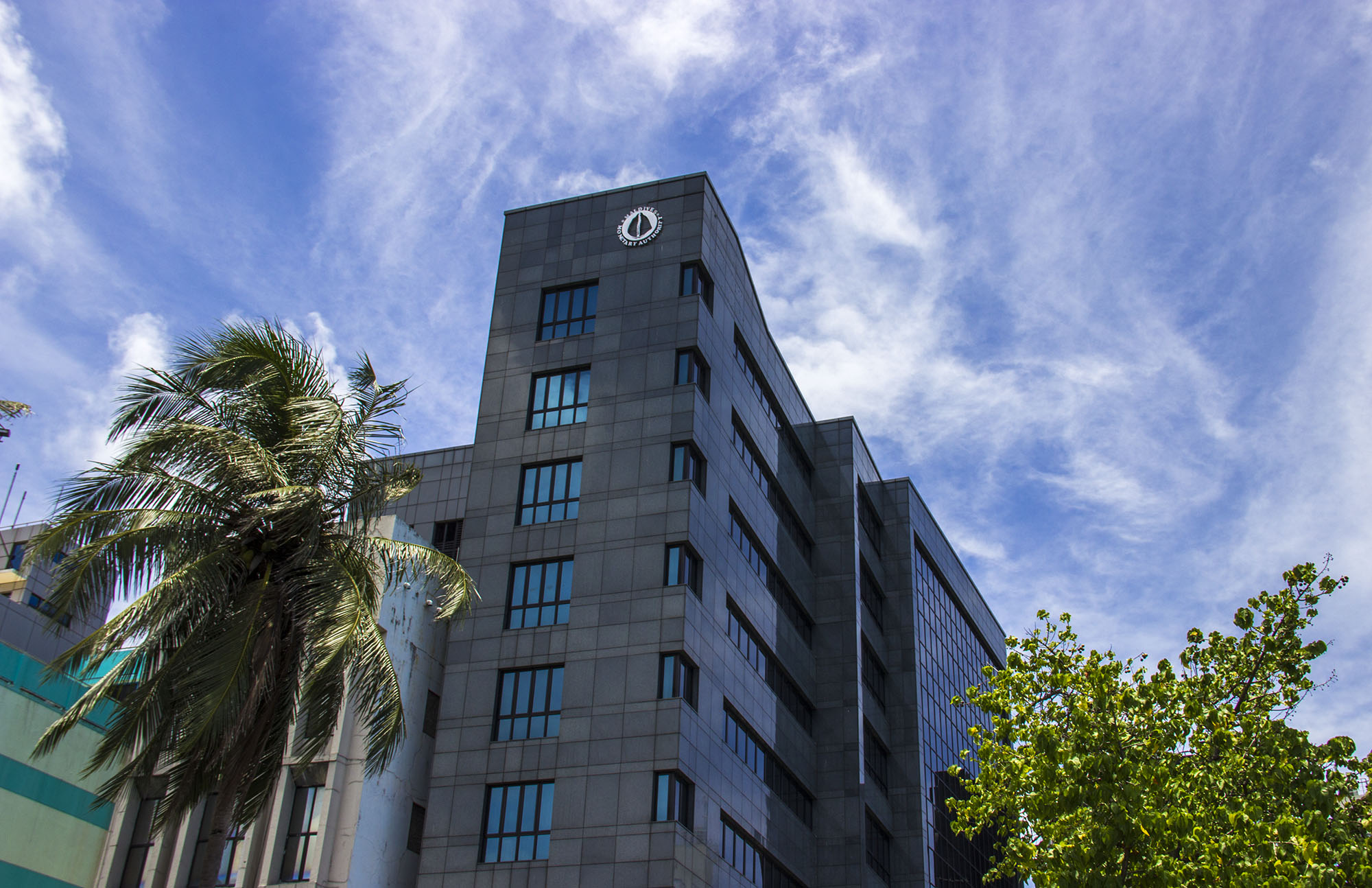
The Maldives Monetary Authority (MMA), the country’s central bank, continues to name PayPal as the one solution under consideration for international transactions. Yet PayPal, which does not support full account services in the Maldives, remains non-functional for receiving money — the core issue for freelancers, entrepreneurs, and digital workers.
Despite years of promises and committee discussions, PayPal still does not offer receiving services in the Maldives. Meanwhile, neighboring countries like India and Sri Lanka enjoy access to multiple platforms: Stripe, Payoneer, Google AdSense direct deposit, and e-commerce integrations that allow their citizens to operate global businesses without friction.
For Maldivians, the absence of these tools is more than a technical issue — it’s a denial of opportunity.
A Nation of Talent, Blocked by Borders
The Maldives is full of digitally skilled youth, artists, designers, editors, programmers, and storytellers. Many have the knowledge, the creativity, and the drive to build online careers or start micro-businesses — but the system simply does not allow them to get paid.
Those who try to find workarounds — by using foreign bank accounts, unofficial PayPal routes, or third-party intermediaries — risk account bans, loss of funds, and legal complications. For a country that prides itself on progress, it’s a tragic contradiction.
“I taught myself video editing, I’ve had offers from abroad, but I can’t get paid legally,” says a 23-year-old freelancer from Malé. “It’s like we’re being punished for being Maldivian.”
The Cost of Inaction
This isn’t just a tech issue — it’s a serious economic and social problem. At a time when global freelancing and digital commerce are lifting millions out of poverty and unemployment, the Maldives is actively holding back its own people from the same opportunity.
-
Students can’t monetize their content or build passive income online.
-
Entrepreneurs can’t run international e-commerce businesses from home.
-
Freelancers can’t legally receive money for work done abroad.
-
The entire economy misses out on a thriving digital export sector.
And while PayPal remains the center of every conversation, the world has moved on — with platforms like Stripe, Payoneer, Wise (formerly TransferWise), Revolut, Square, and others offering services that are faster, cheaper, and more accessible. But none of them are supported in the Maldives due to regulatory stagnation and a lack of initiative.
Learning from Regional Neighbors
India and Sri Lanka — with comparable economies — have built payment gateway systems, regulatory frameworks, and banking partnerships that allow their citizens to freely receive foreign earnings. Their governments have embraced digital entrepreneurship as a legitimate sector of the economy. The Maldives, however, remains stuck in a pre-digital mindset.
Rather than encouraging a generation of entrepreneurs, content creators, and freelancers, the current system forces talent into silence, dependency, or illicit workarounds.
A Call for Urgent Reform
If the Maldives wants to empower its youth, diversify its economy beyond tourism, and remain relevant in the global digital age, it must act urgently:
-
Open the country to global payment platforms beyond PayPal.
-
Create clear, simple legal frameworks for digital entrepreneurship.
-
Build partnerships with platforms like Stripe, Payoneer, and Google.
-
Allow legal inflows of foreign currency into local bank accounts for individuals.
These are not radical demands. They are standard digital rights in nearly every other functioning economy.
Until then, thousands of talented Maldivians will continue to be shut out of the global economy — not because they lack skills, but because their country won’t let them earn.